Video
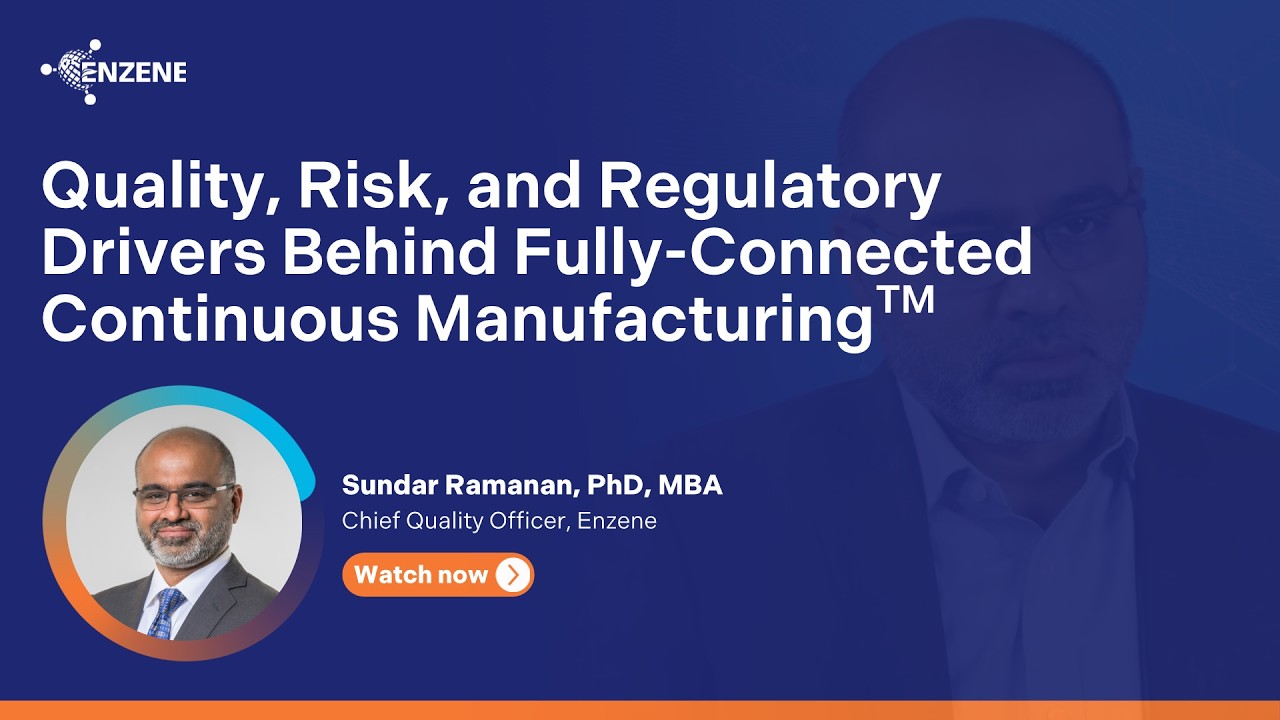
Quality, Risk, and Regulatory Drivers Behind Fully Connected Continuous Manufacturing
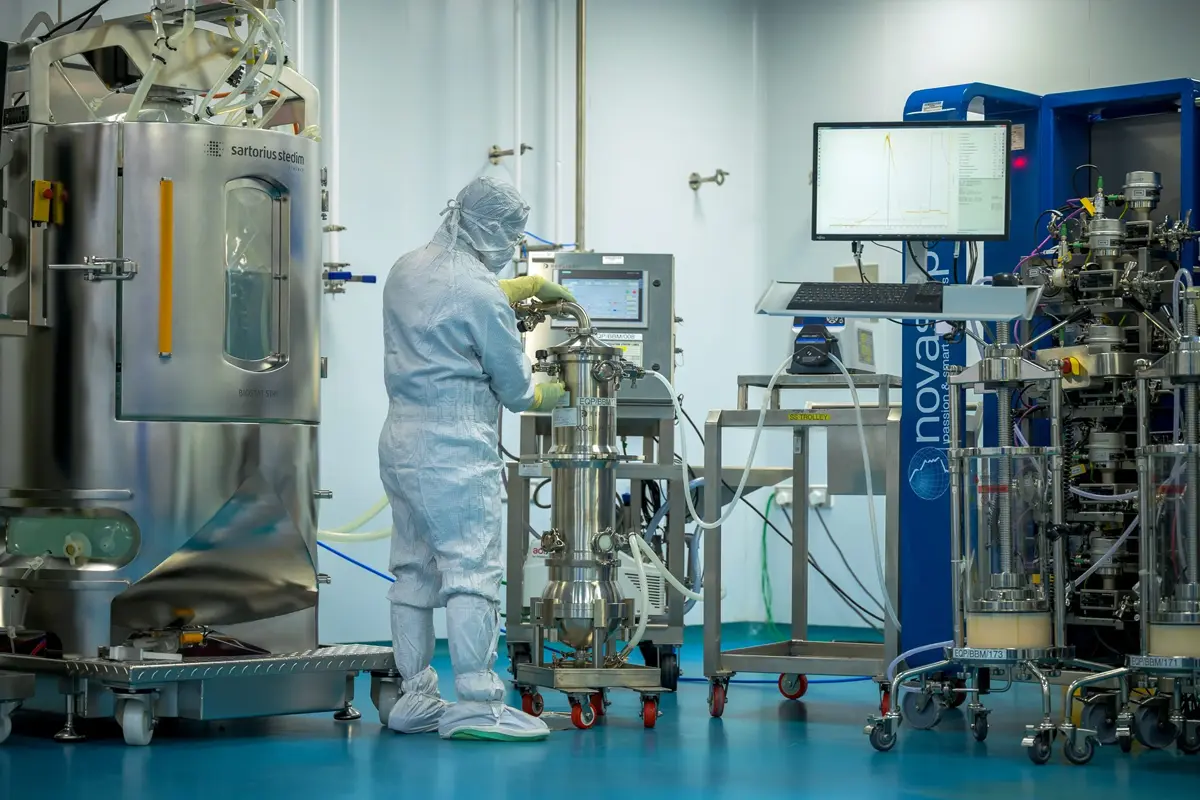
Biomanufacturing has relied on largely unchanged processes for decades, but today’s complex molecules require a smarter approach. Our Chief Quality Officer, Sundar Ramanan, PhD, MBA, explains how fully-connected continuous manufacturing™ (FCCM™) enables this shift by integrating real-time monitoring, automation, and contamination control.
Key Learnings:
● Understand the role of automation and aseptic connectivity in reducing variability and contamination in bioprocessing.
● How FCCM™ enables better control of critical process parameters for complex molecules like bispecifics.
● Evaluate the implications of FCCM™ on product quality, process consistency, and regulatory compliance.
0:18 What are the key drivers that make now the right time for the industry to adopt fully-connected continuous manufacturing™(FCCM™)?
01:27 From a quality and regulatory standpoint, how do you view the urgency of moving beyond fed-batch manufacturing?
2:23 In your view, what are the biggest challenges fully-connected continuous manufacturing™(FCCM™) helps resolve, especially around variability, contamination risks, and batch failures?
3:22 How are regulators responding to advances like Process Analytical Technology (PAT)and continuous manufacturing monitoring embedded in FCCM™ workflows?
3:51 In this volatile supply chain landscape, how can FCCM™ support business continuity and risk mitigation from a quality perspective?
4:46 What advice would you give to organizations hesitant about the shift to FCCM™?
Fields marked with a * are required